
PROTECTIVE PACKAGING
Protection Doesn’t Stop at
the Warehouse
Even when products are stored correctly, the biggest risks often happen during shipping. Delivery trucks, mailboxes, and porches can reach extreme temperatures — especially in summer and winter months — and sensitive supplements, pastes, gels, and liquid formulations can degrade before they can arrive.
OUR PACKAGING STANDARDS
Packaging Designed Around Sensitive Products
Every shipment is packed using shipping materials selected for product protection and integrity.
Thermal Insulation
Gel Packs
Moisture-Resistant Barriers
Secure Crush-Resistant Boxing
Seasonal Protection Protocols
Product-Specific Packaging
WHY TRANSIT PROTECTION MATTERS
Transit Exposure Creates Real Product Risk
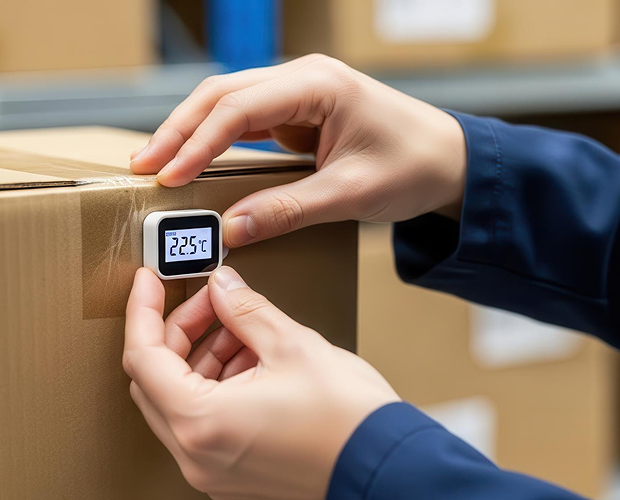
Products in delivery trucks, carrier warehouses and even sitting on your doorstep can experience extreme temperatures throughout the shipping process.
Heat-sensitive consumables are often exposed to uncontrolled environments during transit. Extended exposure can compromise texture, ingredient stability, and overall product quality before the products ever reach your home or barn.
Protective packaging acts as a critical layer of defense during the final stages of delivery.
WHAT PROTECTIVE PACKAGING PREVENTS
Reducing the Risks of Shipping Damage
Proper packaging plays a critical role in protecting products while they are out for delivery. It helps maintain product quality by minimizing exposure to temperature fluctuations, physical stress, and environmental factors that can affect product integrity. By reducing the risk of leakage, separation, texture changes, and other delivery-related issues, protective packaging supports a consistent product experience.
Why It Matters - Protective packaging prevents
01 Heat-related potency loss
02 Texture breakdown
03 Separation of liquid suspensions
04 Swelling or leaking
05 Crushed packaging or product
06 Returns and waiting for replacements

BUILT FOR TEMPERATURE-SENSITIVE SHIPPING
Not Every Product Ships the Same Way
OPERATIONAL PACKAGING PROCESS
A Structured Packaging Workflow
01 Product Risk Assessment
02 Protective Material Selection
03 Secure Packing Verification
04 Expedited Shipment Preparation
05 Protected Nationwide Delivery
Product Risk Assessment
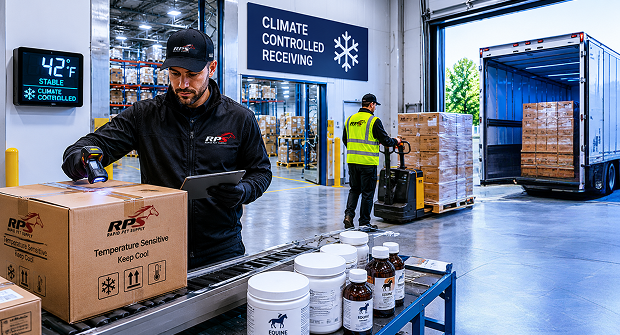
We evaluate product fragility, environmental sensitivity, and potential transit-related handling risks before packing your products – ensuring every item receives the protection it needs.
FAQ
Frequently Asked Questions
Does every product require insulated packaging?
Why is insulated packaging important?
Insulated packaging helps reduce environmental exposure, maintain product stability, and minimize temperature-related risks during transportation, preserving product quality and consistency.
What types of protective materials does RPS use?
We use insulated materials, gel packs, moisture barriers, cushioning inserts, and crush-resistant packaging systems for enhanced protection, safety, durability, and shipment reliability.
Can packaging reduce damaged products?
Yes. Proper packaging helps products arrive stable, protected, undamaged, and ready for use.